
Choose a Topic - Default: AI Agents for Workflow Optimization
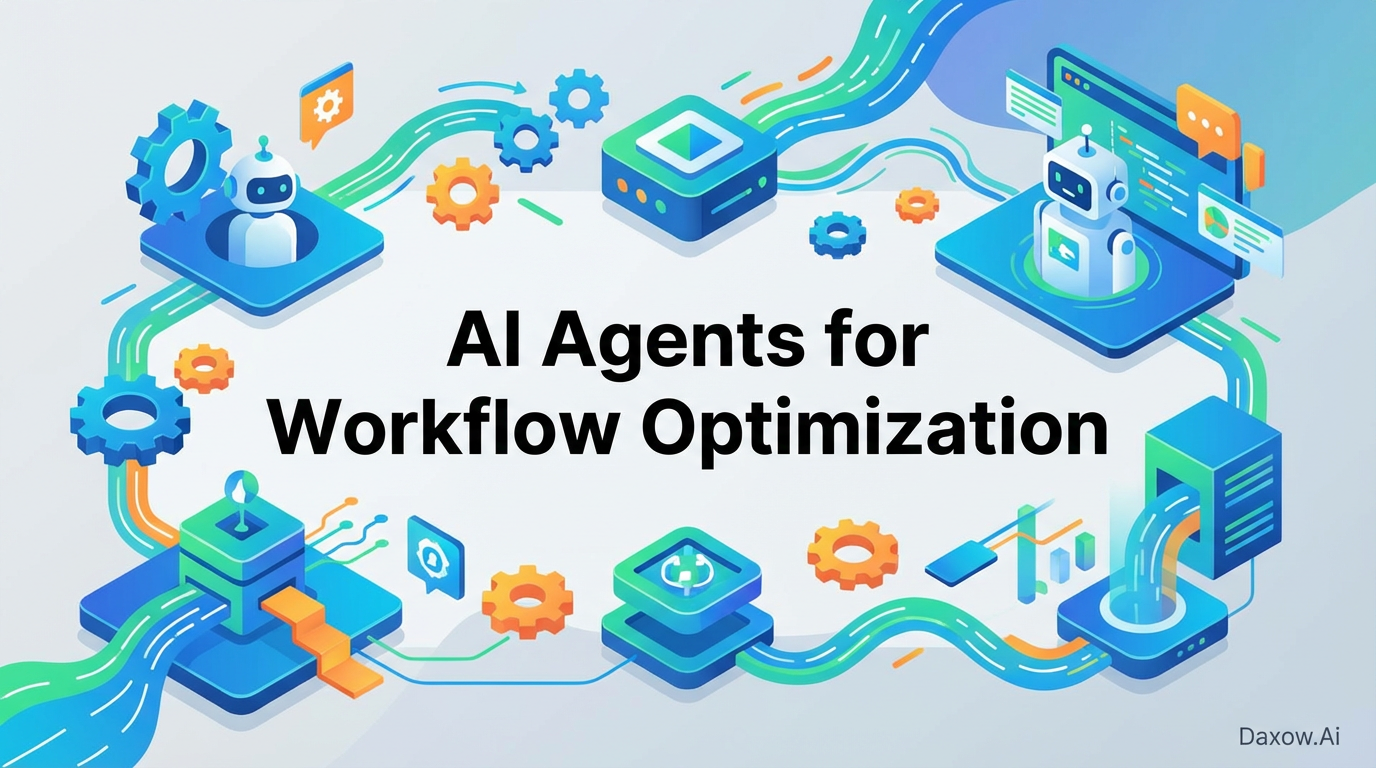
A prompt asking the reader to choose one of several AI and automation topics; default topic is AI agents for workflow optimization.
AI Agents for Workflow Optimization: Transforming Business Efficiency
Estimated reading time: 7 minutes
Key Takeaways
- AI agents streamline repetitive tasks, improving operational efficiency.
- Integration with enterprise systems like Salesforce enhances automation impact.
- Scalable AI workflow optimization offers measurable ROI for businesses of all sizes.
- Understanding AI agents’ capabilities helps shape smarter, more agile work environments.
Understanding AI Agents
Artificial Intelligence (AI) agents are software entities designed to perform tasks autonomously by perceiving their environment and acting upon it to achieve goals. In the context of workflow optimization, AI agents automate repetitive and rule-based processes, analyze data patterns, and make decisions that improve the efficiency and accuracy of workflows. These agents leverage machine learning, natural language processing, and other AI capabilities to enhance business operations without constant human intervention.
Benefits of Workflow Optimization
Implementing AI agents for workflow optimization delivers several transformative benefits to enterprises:
- Increased Efficiency: AI agents reduce human workload by automating time-consuming tasks such as data entry, scheduling, and reporting.
- Improved Accuracy: By removing manual errors, AI agents ensure higher data quality and compliance adherence.
- Scalability: AI agents can adapt to growing business demands without significant increases in cost or overhead.
- Faster Decision-Making: Real-time analysis by AI agents enables quicker responses to operational challenges.
These advantages position AI-driven workflow optimization as a critical strategy for businesses seeking competitive advantage in dynamic markets.
Integration with Business Systems
Effective AI agent workflows depend heavily on seamless integration with existing business systems such as Customer Relationship Management (CRM) tools, Enterprise Resource Planning (ERP), and data warehouses. For example, connecting AI agents to platforms like Salesforce or HubSpot enables automated lead qualification and customer follow-ups, reducing the sales cycle.
At Daxow.ai, our AI agents offer robust integration options that ensure smooth data flow and maintain security compliance across systems. This interoperability is essential for maximizing automation benefits while preserving business continuity.
Case Study: Enterprise Implementation
A mid-market enterprise in the finance sector recently adopted AI agents to optimize their client onboarding workflow. By automating document validation, appointment scheduling, and initial credit assessments, the company observed:
- 50% reduction in onboarding time
- 30% decrease in manual errors
- Improved customer satisfaction scores due to faster service delivery
This success story highlights the tangible ROI businesses can realize by adopting intelligent automation frameworks powered by AI agents. Further details and tailored solutions are available at Daxow.ai use cases.
Driving Future Growth with AI Agents
As AI technology evolves, AI agents are becoming more sophisticated—integrating cognitive capabilities to handle complex problem-solving and strategic workflows. Enterprises that invest in AI agents today will be better positioned to adapt to emerging challenges, streamline cross-department collaboration, and innovate service delivery models.
To stay competitive, organizations should explore AI agents not just as productivity tools but as foundational enablers for digital transformation and sustainable growth.
Frequently Asked Questions
What types of workflows can AI agents optimize?
AI agents can optimize a wide range of workflows including data entry, customer support ticket handling, lead management, compliance monitoring, and routine reporting across various industries.
How difficult is it to integrate AI agents with existing systems?
Modern AI agents, especially those from platforms like Daxow.ai, offer flexible APIs and connectors that simplify integration with popular CRMs, ERPs, and other business applications, minimizing disruption during deployment.
Can AI agents learn and improve over time?
Yes, many AI agents use machine learning algorithms that allow them to adapt based on new data and user feedback, continuously enhancing their decision-making and performance in workflows.
Are AI agents secure for sensitive business workflows?
Security is a top priority in AI deployment. Trusted platforms implement robust encryption, role-based access controls, and compliance with data privacy regulations to ensure sensitive information remains protected.